
Story
The New Kindle Lost Its Raised Edge, and That Might Be the Point
Based on reporting from TechCrunch
.jpg)
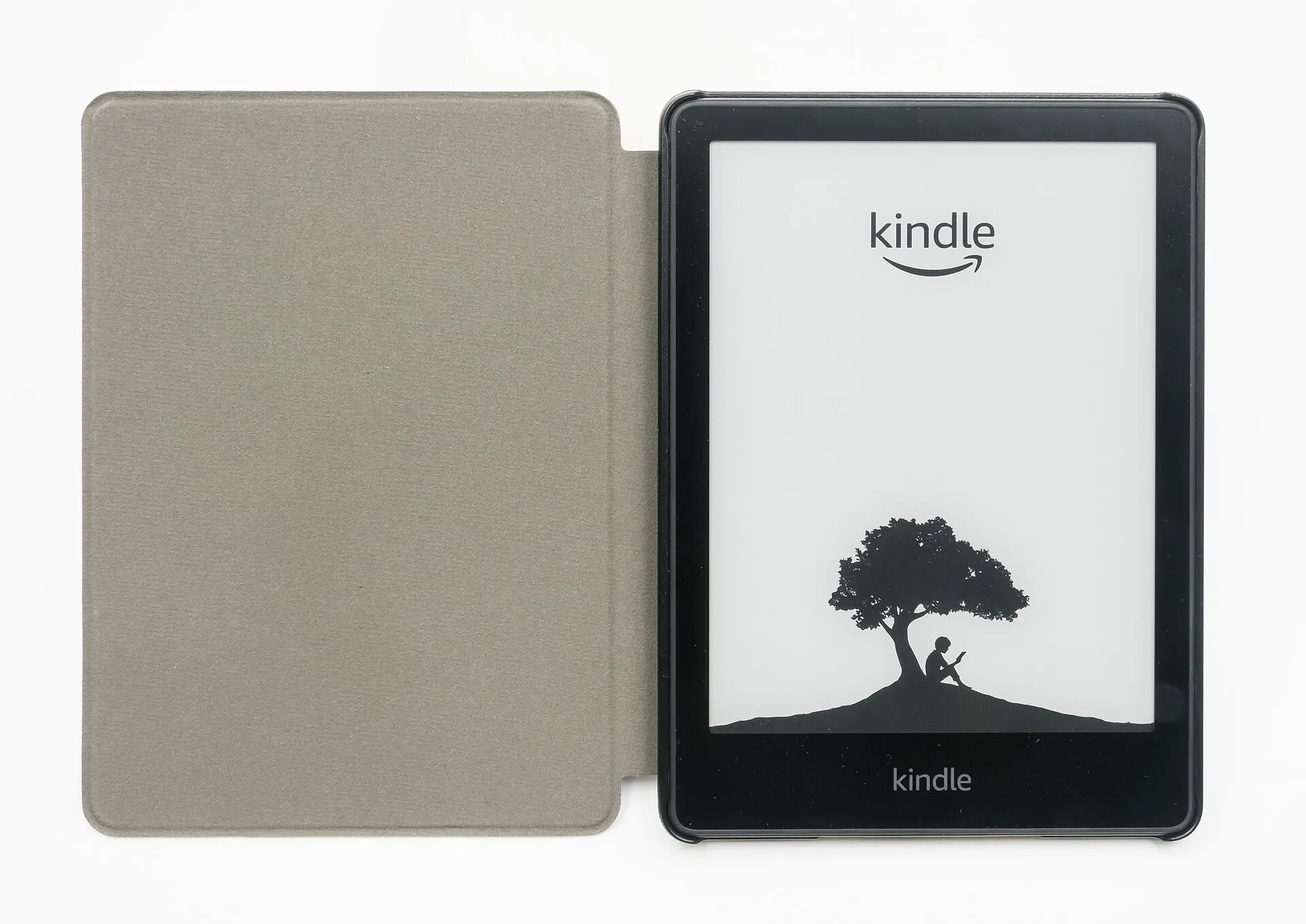
Amazon refreshed the Kindle line. The 6 inch base model drops the raised bezel that has framed these screens for years, in favour of a flat front. It is 6.8mm thick, weighs 140 grams, and Amazon says books open about thirty percent faster. It starts at $149.99 and is on sale now. The Paperwhite starts at $199.99, the Colorsoft at $289.99.
Thinner and lighter is the kind of spec I usually skip past. On a reader, I do not.
I do not own a Kindle. I read on a tablet, and the thing that ends my reading is never the screen or the font. It is my hand. Holding a tablet above my face in bed is a forearm exercise nobody signed up for, and after a while I put it down because I am tired, not because I stopped caring about the book. A device at 140 grams is a different object in that situation. If this is the change, it is a real one.
The bezel is where I am less sure, and I want to be honest about which part is experience and which part is guessing.
The experience: on my tablet, with no raised edge, my thumb rests on the glass and the page turns by itself. It is small and it is constant, and it pulls me out of the page every time. So an edge that gives your finger somewhere to live is not decoration. It does something.
The guess: Amazon replaced that edge with a touch “dead zone” where your finger normally sits. I have not held one, so I cannot tell you whether software solves a problem that used to be solved by shape. Going by the description it should work, and going by every dead zone I have used on a phone, it works until the moment you hold the thing at an angle it was not expecting.
So, do I buy it? If you already read on a tablet and stop because your arm gets tired, this is the upgrade that fixes your actual problem, and $149.99 is a fair price for fixing it. If you own a Kindle that works, a flatter front is not a reason to replace a device that has five good years left in it.